If your conservatory sits empty for half the year because it’s too hot or too cold, the roof is usually to blame. Many homeowners weighing up a conservatory roof replacement end up choosing between two main options: insulated conservatory roof panels or traditional polycarbonate. Both look similar from the outside, but they perform very differently once installed.
This guide walks through the real differences so you can pick the right one for your home and budget.
Why Your Conservatory Roof Matters So Much
The roof covers the largest surface area of most conservatories, which means it has the biggest impact on temperature. A poorly insulated roof lets heat escape in winter and lets the sun turn the room into a furnace in summer.
That’s why conservatory roof insulation has become such a common upgrade — it directly affects how usable the room is, whatever the season.
What Is a Polycarbonate Conservatory Roof?
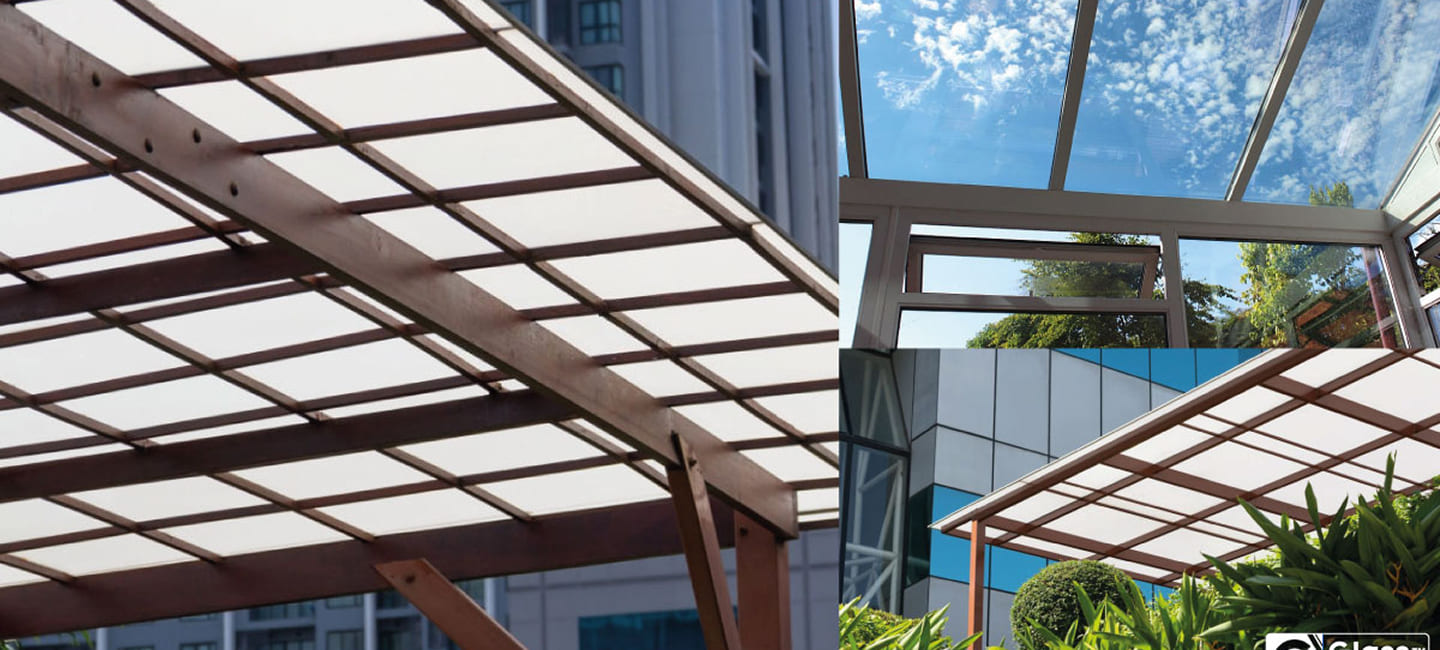
A polycarbonate conservatory roof uses multi-walled plastic sheeting, which has been the standard budget option for decades. It’s affordable, lets in plenty of light, and is quick to fit.
Strengths:
- Lower upfront cost
- Bright, naturally lit room
- Fast installation
Weaknesses:
- Weak thermal performance — hot in summer, cold in winter
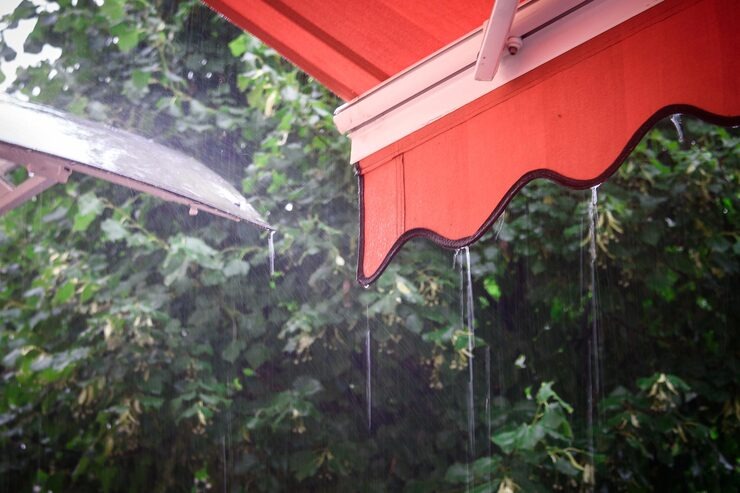
- Loud during rainfall
- Shorter lifespan, often needing replacement within 10-15 years
What Are Insulated Conservatory Roof Panels?
Insulated conservatory roof panels replace polycarbonate or glass with a solid, foam-cored system, usually finished to look like a tiled roof. They’re built to perform closer to a house roof than a greenhouse cover.
Strengths:
- Strong year-round temperature control
- Much quieter in wind and rain
- Blocks UV rays that fade furniture
- Long lifespan, often 25-40 years
Weaknesses:
- Higher upfront investment
- Slightly less natural light unless rooflights are added
Side-by-Side Comparison
| Factor | Polycarbonate | Insulated Roof Panels |
| Upfront cost | Lower | Higher |
| Comfort year-round | Limited | Strong |
| Noise in rain | Loud | Quiet |
| Lifespan | 10-15 years | 25-40 years |
| Natural light | High | Moderate (adjustable) |
| Long-term running costs | Higher | Lower |
When comparing insulated roof panels against polycarbonate this way, the decision usually comes down to how often you actually use the room and how long you plan to stay in your home.
Read More:Best Replacement Roof for Conservatory Comfort | Rosy Panels
Benefits Beyond Temperature Control
Choosing insulated panels isn’t only about comfort. Homeowners also notice:
- Lower energy bills from reduced heating and cooling needs
- Better resale value, since a usable conservatory is a stronger selling point
- Reduced glare and fading on furniture, carpets, and flooring
- A quieter room, which matters a lot if the conservatory is used as an office or reading space
Is a Full Conservatory Roof Replacement Worth It?
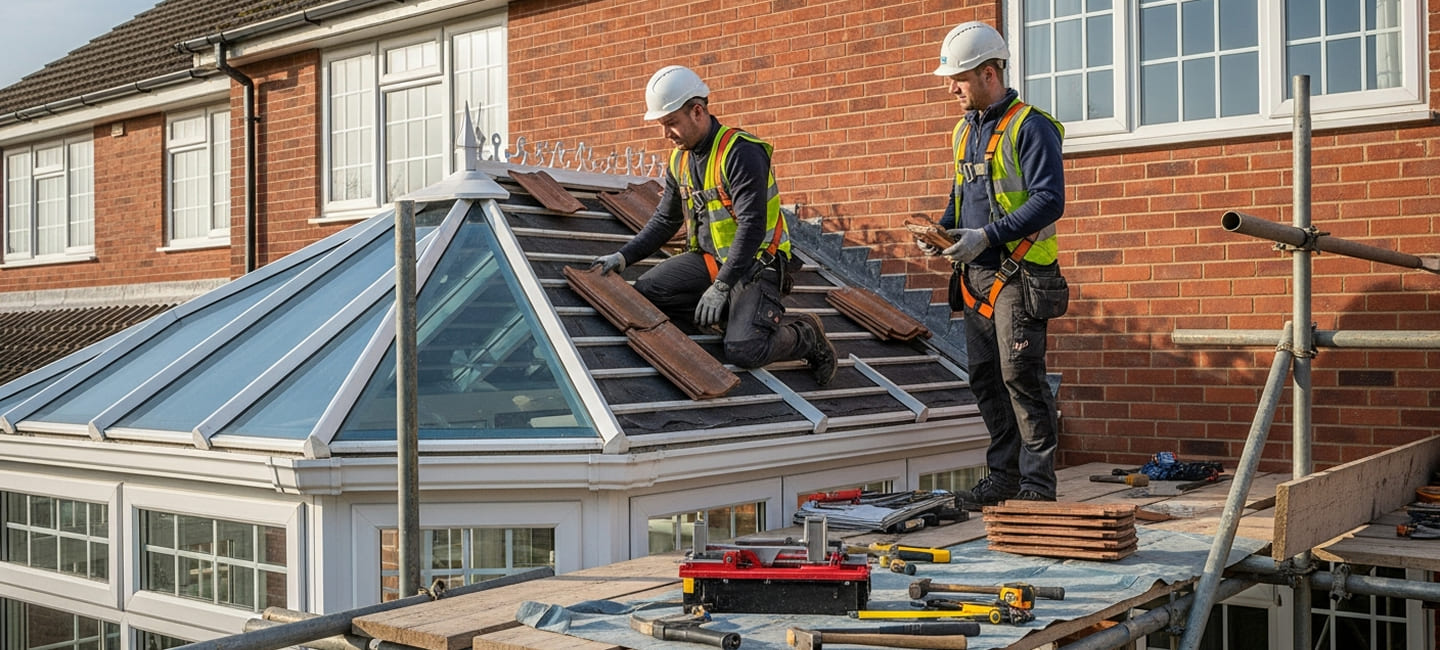
A full conservatory roof replacement with insulated panels typically costs more than a simple polycarbonate swap, but it changes how the room functions. Instead of a seasonal add-on, it becomes a proper living space you can use for work, dining, or relaxing all year.
For conservatories used daily, the investment tends to pay off through both comfort and energy savings. For rooms used only occasionally in mild weather, polycarbonate may remain a practical, lower-cost choice.
How to Decide What’s Right for You
Ask yourself:
- How often do I actually use the conservatory? Daily use favours insulated panels.
- What’s my budget right now? Polycarbonate is the more affordable starting point.
- Do I want more light or more comfort? Polycarbonate wins on brightness; insulated panels win on temperature control.
- How long am I staying in this home? A longer stay makes the payback period for insulated panels more worthwhile.
There’s no single right answer — it depends on your priorities and how the space fits into daily life.
Getting the Right Installation
Whichever roof type you choose, correct installation matters just as much as the material. A poorly fitted roof will draw drafts and underperform, regardless of its rated specification.
Rosy Panels supplies both polycarbonate and insulated conservatory roof panel systems, helping homeowners compare real performance and cost side by side before committing to a replacement.
Final Thoughts
Both polycarbonate and insulated conservatory roof panels solve the problem of a worn-out or underperforming roof, but they solve it in different ways. Polycarbonate keeps costs low and light levels high, while insulated panels deliver comfort and usability throughout the year. Comparing quotes for both options is the best way to find the right fit for your home and budget.