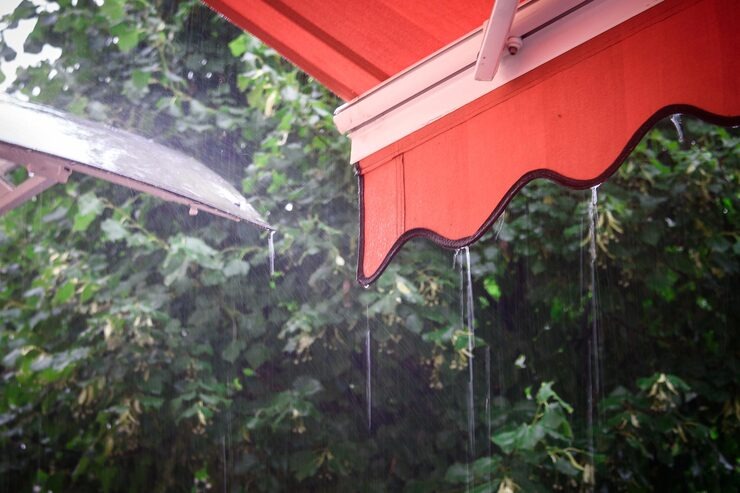
Heavy rain on a lightweight conservatory roof can make conversation, television or work difficult. The sound is created by impact on the outer surface and then transmitted through panels, glazing bars and the surrounding structure into the room.
Insulated conservatory roof panels can reduce this effect because their layered construction behaves differently from thin polycarbonate. The result still depends on panel type, thickness, sealing and the rest of the conservatory.
Rosy Panels supplies insulated roof panels and components for conservatory upgrades across the UK.
Why Polycarbonate Roofs Sound Loud
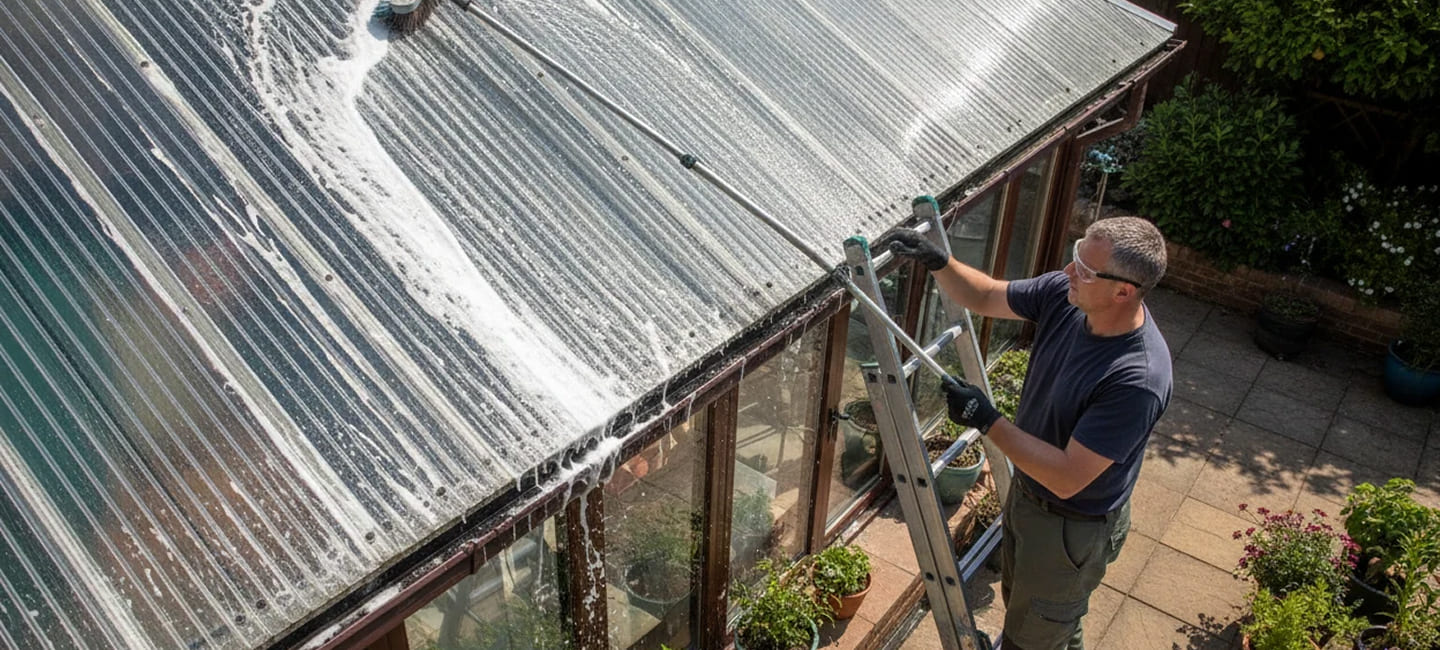
Polycarbonate sheets are lightweight and relatively stiff, so raindrop impacts can create noticeable vibration. Hollow cells and large unsupported spans may reinforce the sound. The room’s hard floors, glass and bare walls can then reflect noise, making the rain seem louder than it is outside.
How Sandwich Panels Change Sound Transmission
Insulated panels combine outer facings with a dense or cellular core. These layers can damp vibration and reduce the amount of impact sound transmitted into the room. Construction varies between products, so compare manufacturer information rather than assuming all opaque panels provide identical acoustic performance.
Panel Thickness and Core Material
Thickness can influence thermal and acoustic behaviour, but it is not the only measure of quality. Facing material, core density, bonding and panel span also matter. The correct thickness must suit the roof system and glazing bars; forcing an incompatible panel into an existing frame can create sealing or structural problems.
The Role of Glazing Bars and Seals
Sound and water can travel through junctions as well as the panel itself. Caps, gaskets, end closures and perimeter seals need correct installation and compatible components. Loose panels or poor compression may rattle in wind and rain, undermining the benefit of an improved panel.
Mixed Glazed and Insulated Roofs
Some homeowners retain glazed sections for daylight and replace other panels with insulated units. This can balance brightness, temperature and noise, but the remaining glass or polycarbonate will still transmit more rain sound. The layout should place quieter panels over desks, seating and television areas where possible.
Interior Acoustics Still Matter
Rugs, curtains and upholstered furniture absorb sound within the room, while large hard surfaces reflect it. These measures do not change the roof impact itself but can reduce reverberation. They work best as finishing improvements alongside a suitable roof, not as a substitute for failing panels.
Installation Quality
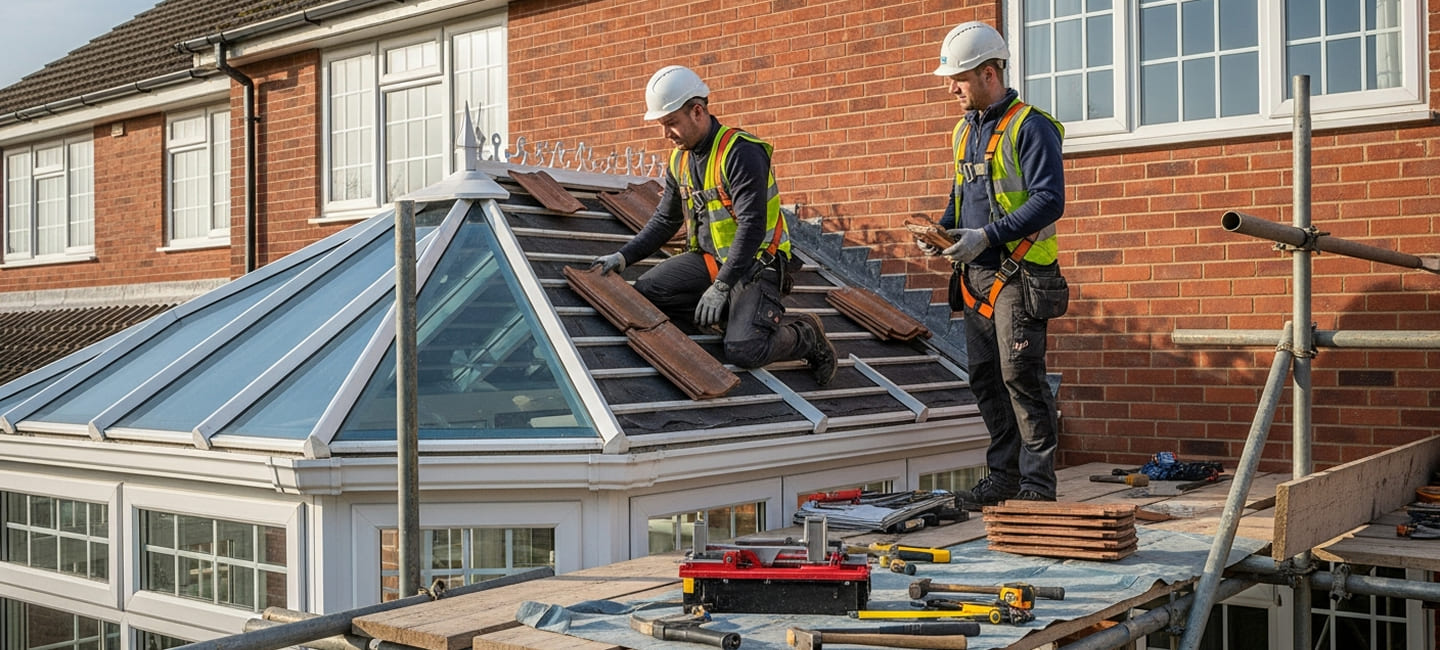
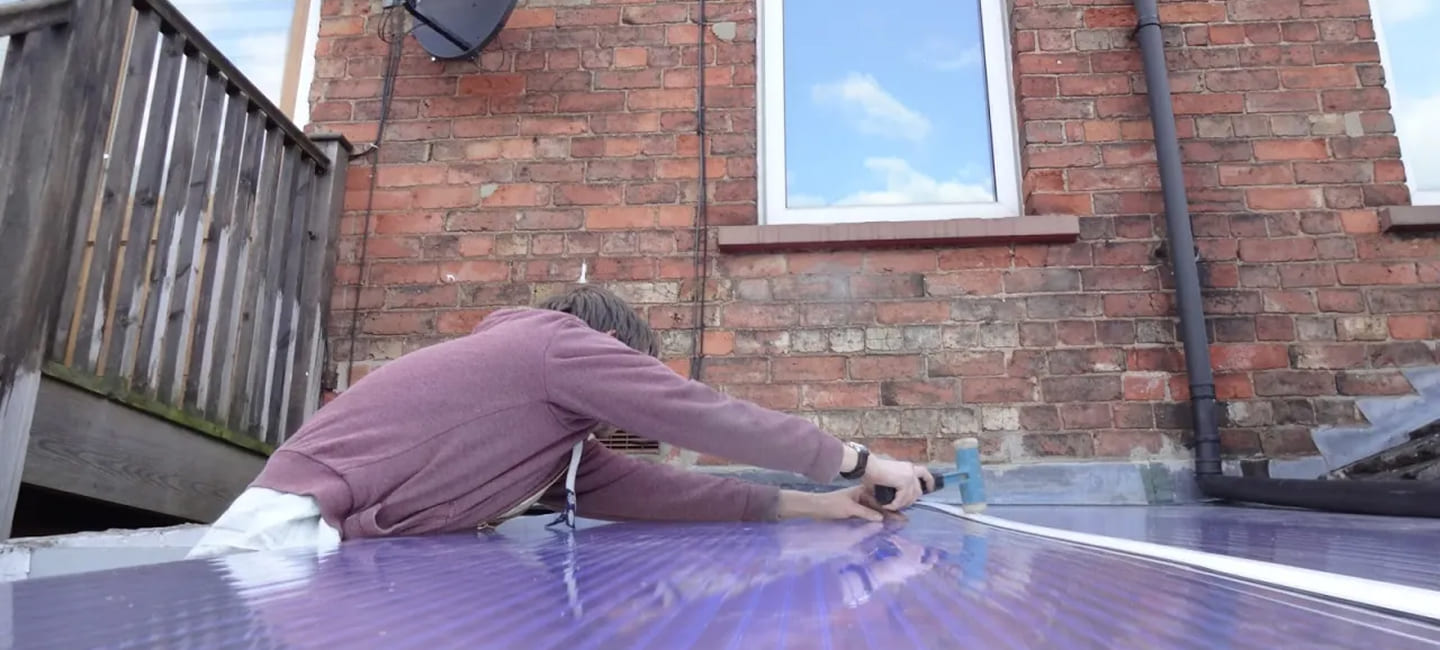
Panels need accurate cutting, proper support, correct seals and secure capping. Gaps or unsupported edges can create vibration, draughts and leaks. An installer should inspect the existing frame, drainage and roof geometry before fitting, and replace worn compatible components where required.
Set Realistic Expectations
Insulated panels can make rainfall less intrusive, but no lightweight conservatory roof will provide the same sound isolation as every conventional tiled room. Ask for product data where available and consider the roof, glazing and furnishings together when deciding whether the improvement meets the room’s intended use.
What to Prepare Before Requesting a Quotation
A useful quotation begins with accurate information. Photos and measurements can help an initial conversation, but they do not replace a survey where condition, access, compliance or hidden construction affects the recommendation. Prepare:
- the outcome you want and the problem you need to solve
- relevant photographs, drawings, manuals or previous reports
- known defects, changes and earlier repair or installation history
- access limits, operating hours and important programme dates
- questions about scope, exclusions, warranties and aftercare
Choose Insulated Roof Panels with Confidence
Rosy Panels can provide information on panel construction, available sizes and compatible components for conservatory upgrades. Trade customers and homeowners should confirm roof measurements and system suitability before selecting panels for thermal and acoustic improvement.