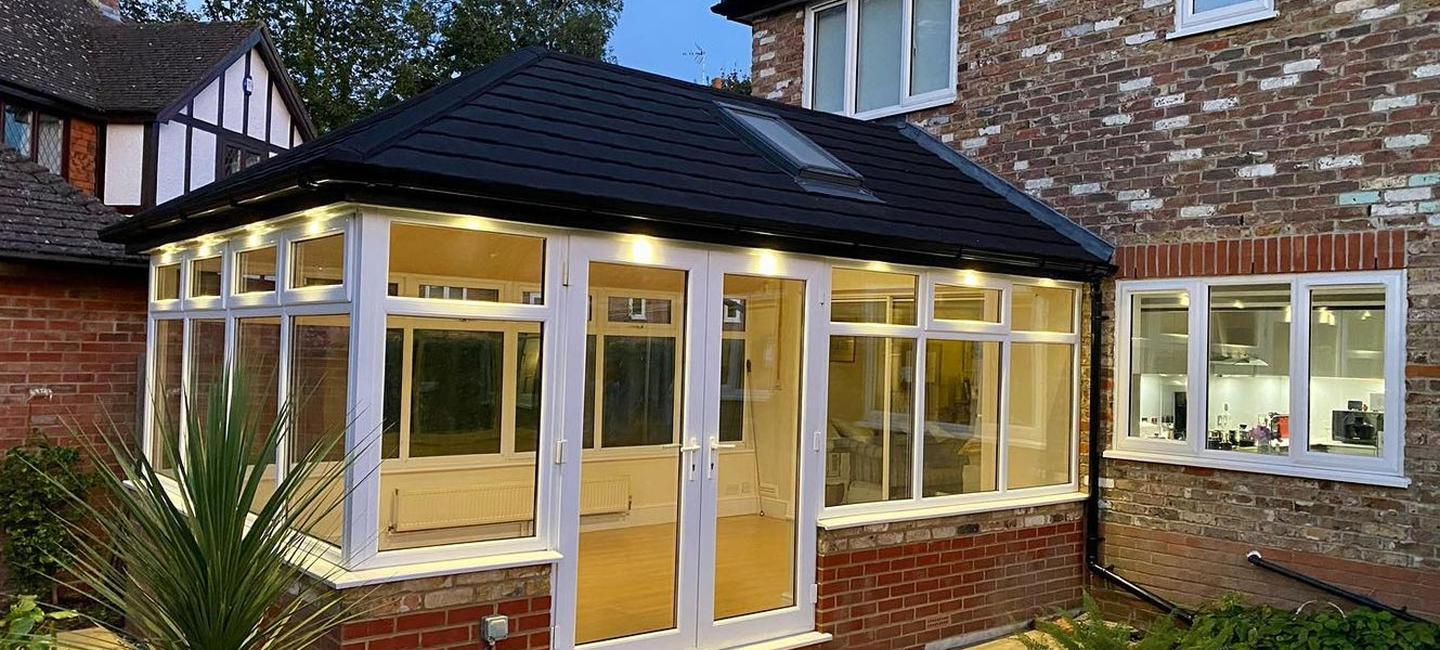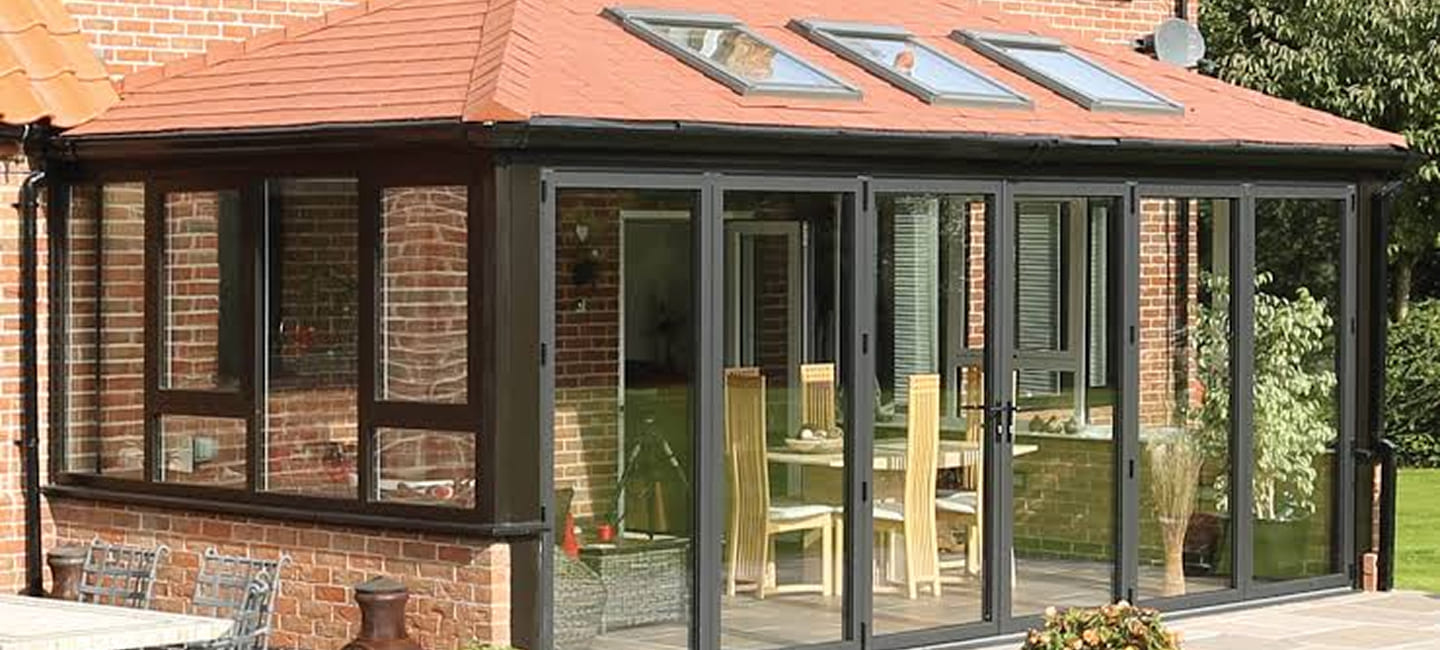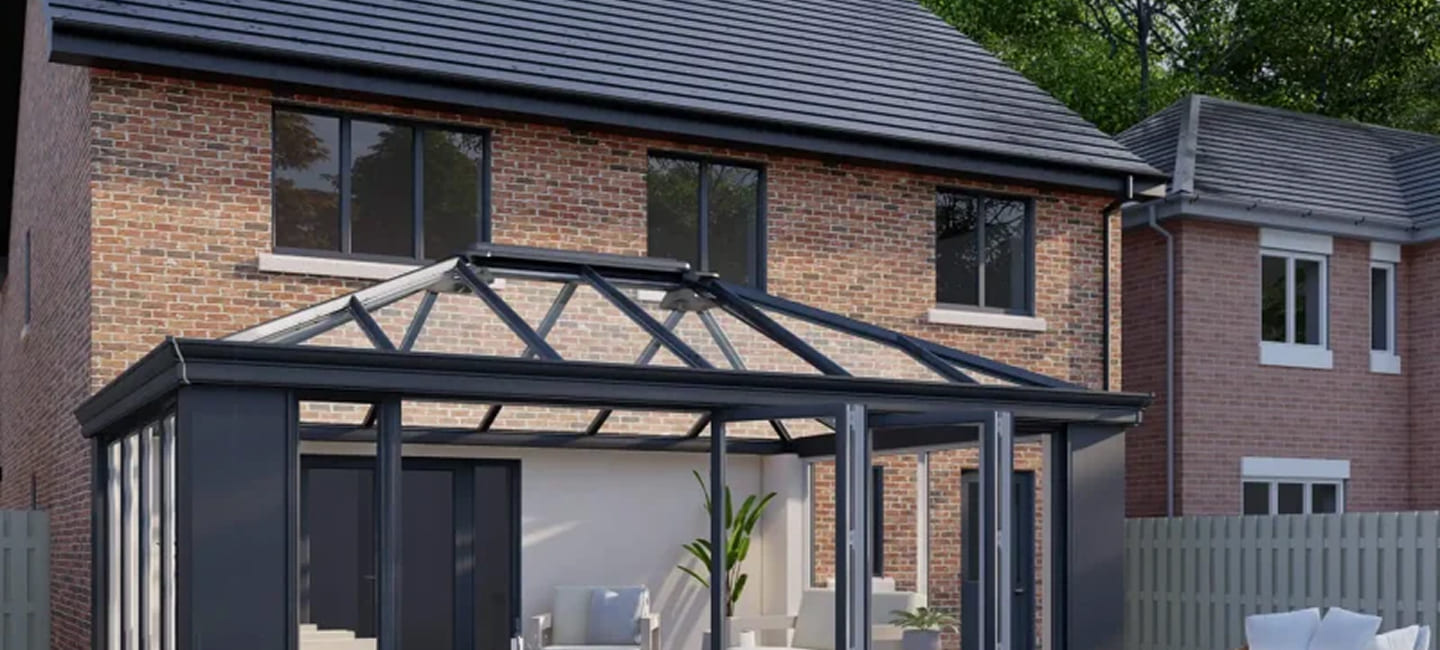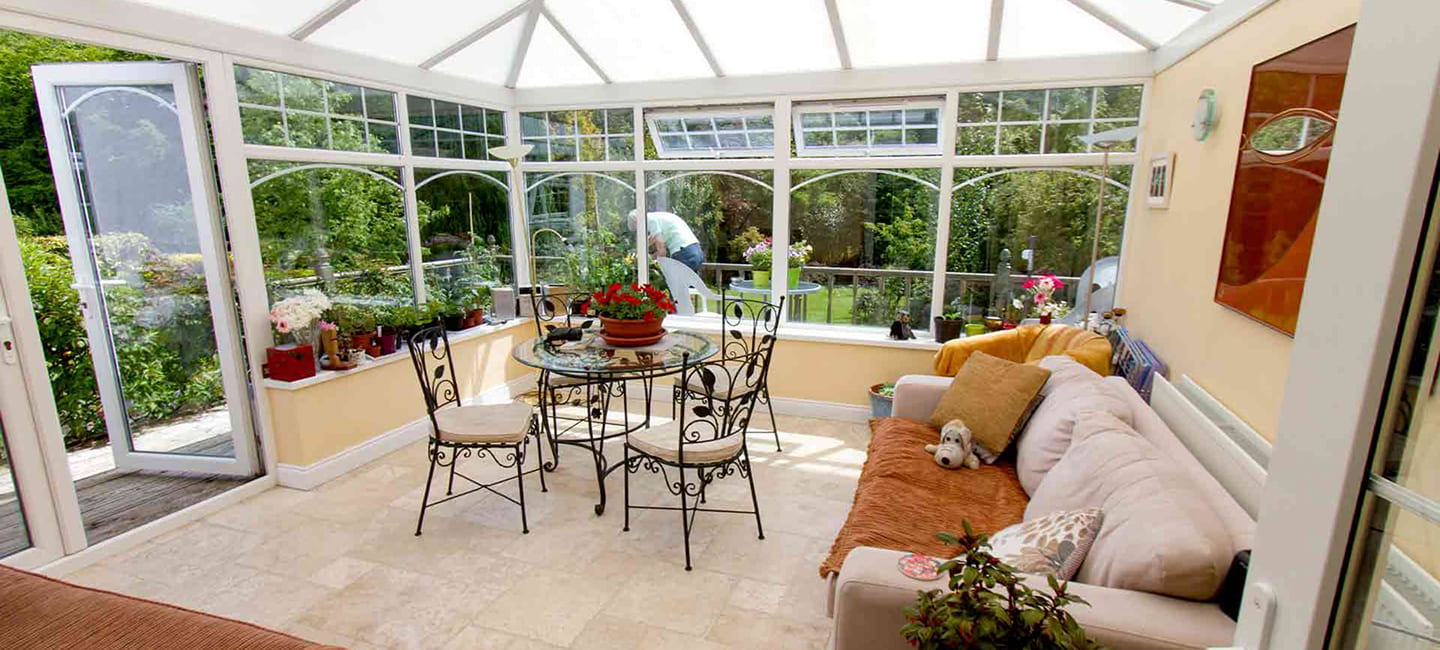

Traditional conservatories often suffer from a severe architectural flaw: they are too hot in the summer and freezing cold in the winter. For millions of homeowners, this layout flaw turns a beautiful living space into an unusable, expensive storage area for most of the year. When attempting to fix this thermal instability, finding the best conservatory roof insulation system is the single most effective way to reclaim your space and create a comfortable, multi-functional room.
Simply ignoring poor thermal insulation leads to serious consequences beyond just daily discomfort. Inefficient glass or thin plastic roofs allow interior heat to escape constantly, driving up monthly household energy consumption. Upgrading your roof setup changes the game entirely, transforming an underutilized space into a peaceful oasis for relaxation, home offices, or family gatherings. By partnering with leading UK specialists like Rosy Panels, you gain access to premium, highly engineered solutions designed to permanently solve these seasonal temperature problems.
Why Traditional Conservatory Roofs Fail
Most older extensions feature roofs constructed from standard glass sheets or thin polycarbonate panels. While these materials are lightweight and affordable to install initially, they offer virtually zero structural thermal resistance.
The Greenhouse Effect in Summer
During sunny periods, translucent roof coverings act like a heat trap. They allow shortwave solar radiation to pass directly into the room while trapping the longwave heat energy inside, creating an uncomfortable greenhouse environment.
Extreme Thermal Escape in Winter
When temperatures drop, thin roofing materials offer no resistance against cold air. Interior heat rises and passes directly through the uninsulated ceiling, forcing your home’s central heating system to work twice as hard to maintain a comfortable baseline temperature.
Technical Elements of High-Performance Insulation Systems
To fix these issues permanently, modern engineering uses multi-layered composite materials rather than heavy structural tiles or basic fabric drapes.
Using premium conservatory roof insulation panels allows property owners to upgrade their existing frameworks without needing complex structural modifications. The most effective technical configurations feature advanced material layers:
- Extruded Polystyrene (XPS) Foam Cores: This dense, closed-cell material provides exceptional thermal resistance, absorbs minimal moisture, and prevents thermal bridging across your roof joints.
- Stadurlon Facing Technologies: Developed in collaboration with chemical specialists like BASF, this high-performance plastic alternative to traditional PVC handles extreme temperatures (-20°C up to +120°C) without cracking or warping.
- Corrugated Core Adhesion: The internal insulating core is precision-corrugated to maximize surface bonding, preventing long-term material separation under harsh weather conditions.
The Environmental and Financial Payback of Upgrades
Upgrading your conservatory is a smart financial investment that directly lowers your carbon footprint. According to independent housing research from the Building Research Establishment (BRE), installing high-performance retrofitted insulation can reduce localized space heating demands by over 45% to 50% in standard domestic extensions.
By transitioning to premium insulated conservatory roof panels, you create a highly efficient thermal barrier. This upgrade lowers your overall energy bills and significantly improves your home’s Energy Performance Certificate (EPC) rating, boosting the long-term resale value of your property.
Key Benefits of Upgrading Your Conservatory Roof
Investing in a professional insulation upgrade delivers noticeable structural and lifestyle benefits from day one:
1. Reliable All-Year Comfort
Advanced insulation stabilizes indoor temperatures across all seasons. It reduces cold draughts during winter freezes and blocks out harsh solar glare in the summer, giving you a comfortable room year-round.
2. Excellent Acoustic Dampening
Heavy rain, hail, and high coastal winds can create deafening noise on old polycarbonate sheets.
3. Rapid, Non-Invasive Installation
Because modern composite panels are lightweight, professional installers can fit them directly into your existing glazing bars.
Selecting the Right Insulation Framework for Your Home
Every residential layout has unique requirements. Property owners can choose between two main structural insulation paths:
Stadur Non-PVC Composite Systems
These premium systems utilize advanced German-engineered Stadurlon facings over an XPS core. They offer excellent impact resistance, are highly UV-stable, and come in standard shades like graphite grey and classic white to match your existing window frames perfectly.
Aluminum Top Sandwich Elements
These structures feature twin layers of robust 0.72mm aluminum over an insulating core. They provide excellent load-bearing strength and fire protection, making them ideal for larger, wider conservatory layouts that need extra structural stiffness.
Choosing a Certified UK Supplier for Your Project
Because bad installations can cause leaks and void structural warranties, selecting the right partner is vital for a successful upgrade:
- Look for Long-Term Guarantees: Reliable firms back their materials with confidence. For example, Rosy Panels provides a comprehensive 10-year manufacturer’s guarantee to ensure lasting peace of mind.
- Verify Material Quality: Avoid cheap, uncertified PVC materials. Always choose suppliers who provide certified, UV-protected, and moisture-resistant composite panels.
- Prioritize Fast, Safe Delivery: If you are working with local tradesmen, ensure your supplier offers prompt delivery across England, Wales, and Scotland to keep your project moving efficiently.