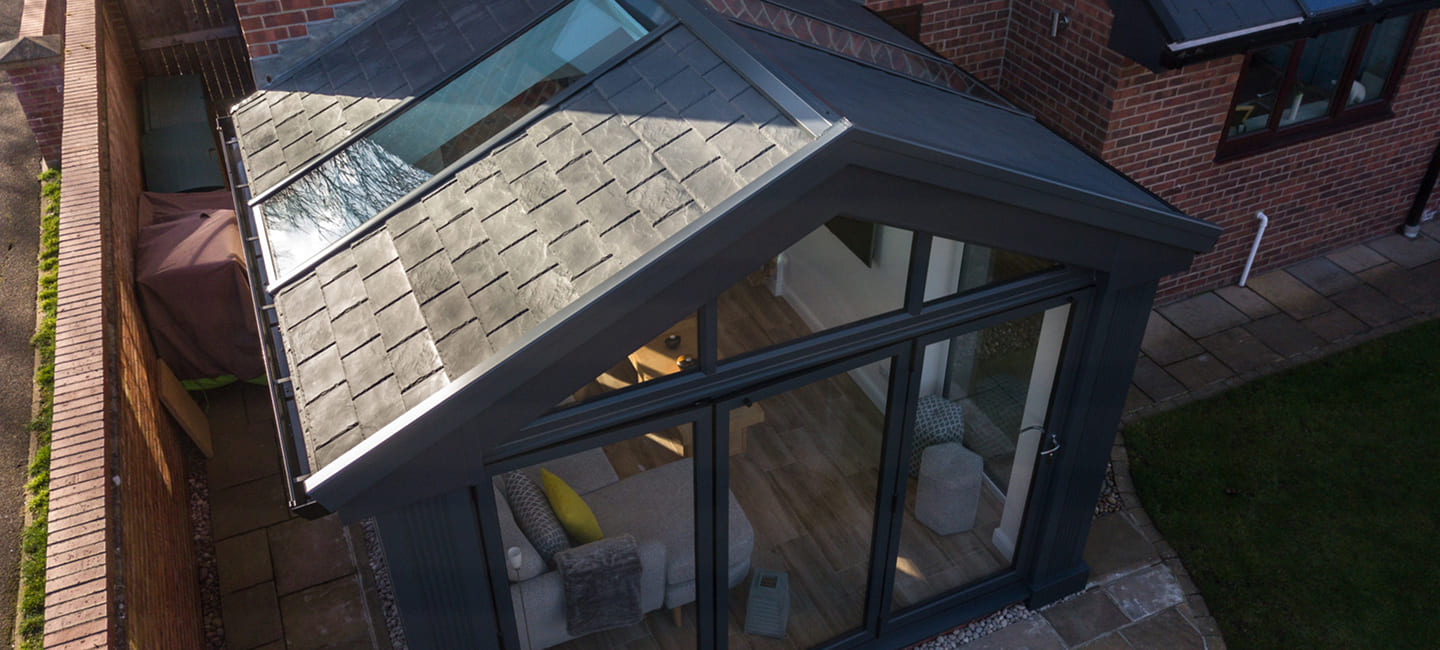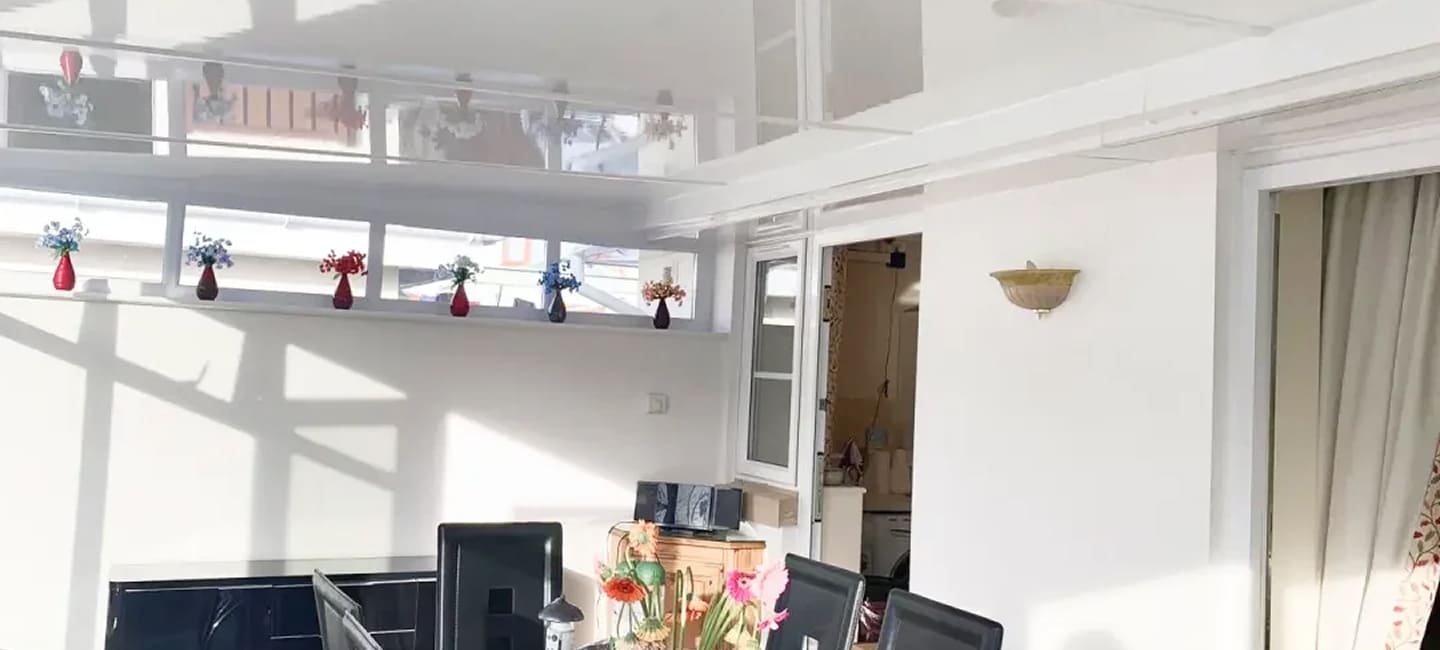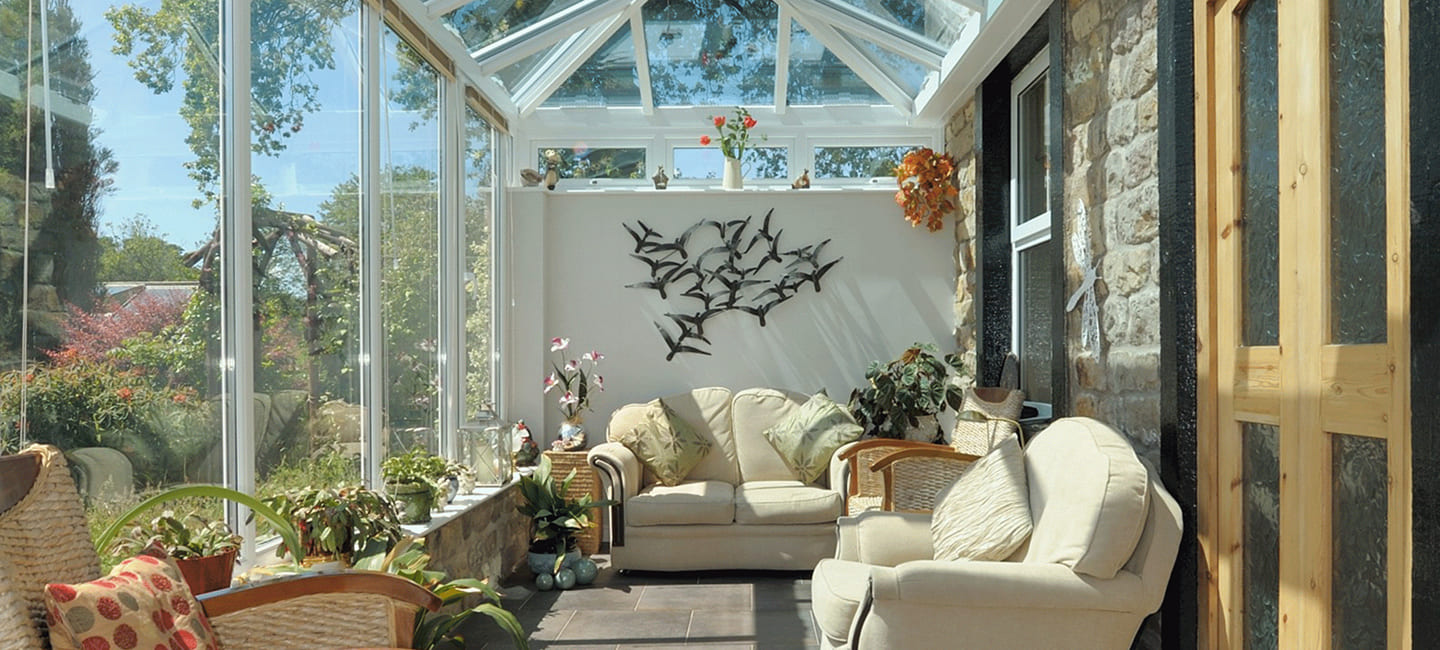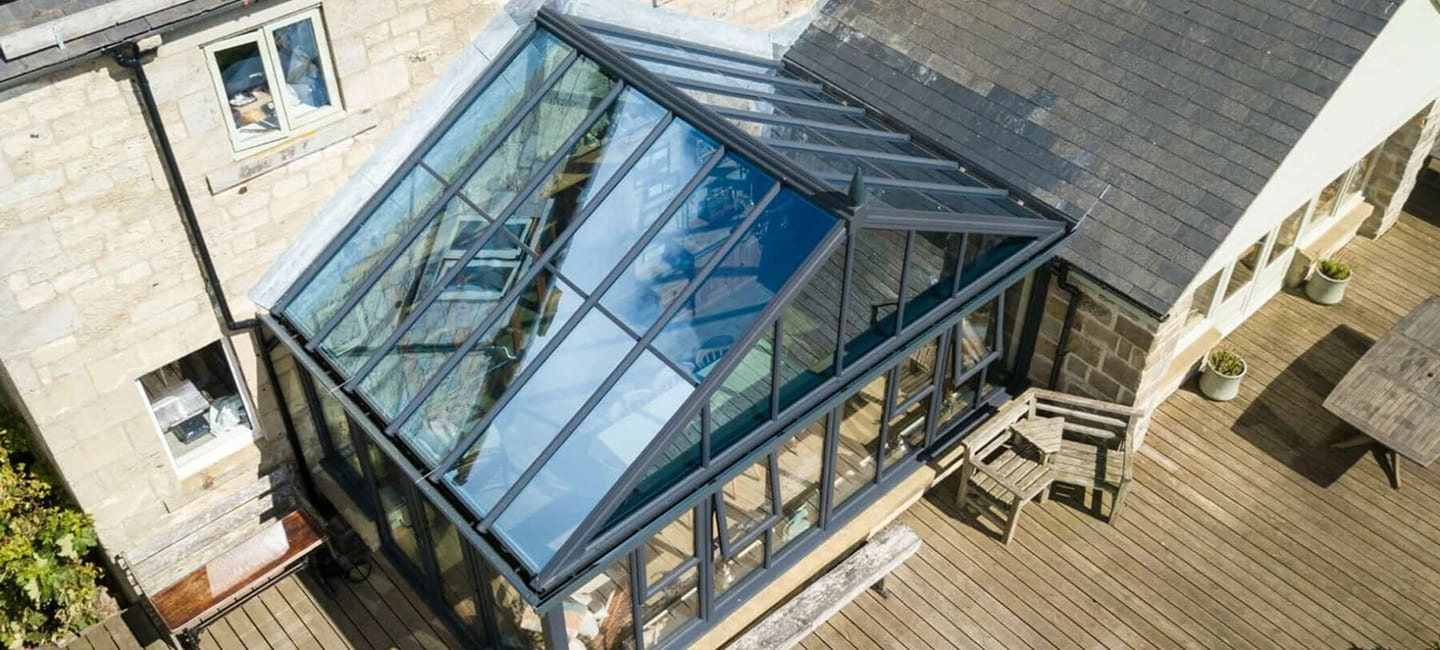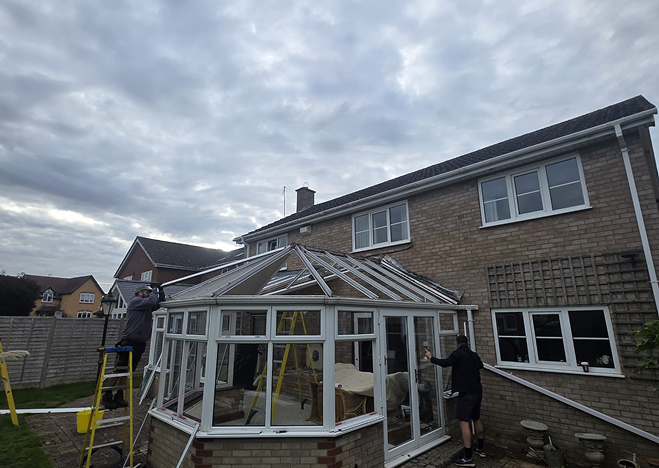
An old conservatory roof can turn a favourite room into one you avoid. It’s too hot in summer, too cold in winter and noisy when it rains.
A new roof can fix all of that. But before you book anything, it helps to know the rules, the timeline and what the work involves. Here’s a clear guide.
Signs It’s Time for a New Roof
Most homeowners start looking when the room stops being comfortable. Common signs include:
- Condensation or damp patches inside.
- Leaks around the seals or glazing bars.
- Yellowed, cracked or clouded panels.
- A room you can’t use for half the year.
- Rising heating bills.
If you spot two or three of these, a new roof is worth pricing up.
Do You Need Planning Permission?
This is the question we hear most. The short answer is that it’s often not needed, but it depends on your home and your area.
Searches for conservatory roof replacement planning permission usually come down to one thing. Are you changing the size or footprint of the room? If you’re simply swapping the roof within the existing structure, planning permission is often not required.
But “often” isn’t “always.” Always check with your local planning authority before you start.
Permitted Development Explained
Many home improvements fall under “permitted development.” This means you can do them without a formal planning application, as long as you stay within set limits.
For a permitted development conservatory roof, the usual questions are:
- Will the height stay within the allowed limits?
- Is the room close to a boundary?
- Does the new roof change how far the room extends?
If the answer to all three is “no change,” you’re usually in good shape.
When You Should Be Extra Careful
Permitted development rights don’t apply everywhere. Take extra care if your home is:
- A listed building.
- In a conservation area.
- Covered by an Article 4 direction, which removes some rights.
- A flat or maisonette.
- Subject to restrictions in your property deeds or lease.
In these cases, speak to your council first. It takes a short call and can save real trouble later.
Note: these rules apply to England. Wales, Scotland and Northern Ireland have their own requirements.
Building Regulations: The Part People Miss
Planning permission and building regulations are two separate things. Many people check one and forget the other.
Conservatories are usually exempt from building regulations, but only if the roof stays mostly glazed. If you swap a glass or polycarbonate roof for a solid, insulated one, the rules can change. The work may then need building control sign-off, covering things like insulation levels and the strength of the frame.
Your installer should know this and explain it clearly. If they don’t mention it, ask.
Choosing Replacement Conservatory Roof Panels
Not all panels perform the same. Before you choose replacement conservatory roof panels, compare a few key points:
- Insulation: Better insulation means a steadier temperature all year.
- Weight: Your existing frame must be able to carry the load.
- Appearance: Check colours and finishes inside and out.
- Guarantee: Read what is covered and for how long.
Ask for full specifications in writing. A trustworthy supplier will be happy to share them.
How Long Does It Take? A Typical Timeline
Every project is different, but this gives you a realistic picture.
- Enquiry and survey (about 1–2 weeks): Measurements are taken and the frame is checked.
- Quote and decision (a few days): You review the price and specification.
- Planning and building checks (varies): Only needed if your situation requires them.
- Manufacture and delivery (a few weeks): Made-to-measure panels take time to produce.
- Installation (often 1–3 days): Depends on the roof size and condition.
Busy seasons can stretch these times, so book early if you want the work done before summer.
What to Expect on Installation Day
Knowing what happens helps you relax. Here’s how a typical install goes:
- The old panels are removed carefully.
- The frame is checked and repaired if needed.
- New panels are fitted, sealed and finished.
- The area is tidied and the work is explained to you.
Expect some noise and a little mess. Most homeowners can stay at home, though the conservatory will be out of use for a short time.
Tips to Make the Project Go Smoothly
- Clear furniture and valuables from the room beforehand.
- Make sure the installer can reach the roof safely.
- Get at least two written quotes.
- Ask to see examples of past work.
- Confirm who handles any building control paperwork.
Final Thoughts
A new roof is a big step, but it doesn’t need to be stressful. Check the planning position, understand the building rules and choose a supplier who explains things plainly.
At Rosy Panels, we believe an informed customer makes the best decisions. If you have questions about your own conservatory, visitRosy Panels and speak to the team.